
How to Protect Your Knees as You Get Older
knee strengthening
7/27/20252 min read
🦵 How to Protect Your Knees as You Get Older
Keep them strong, steady, and pain-free
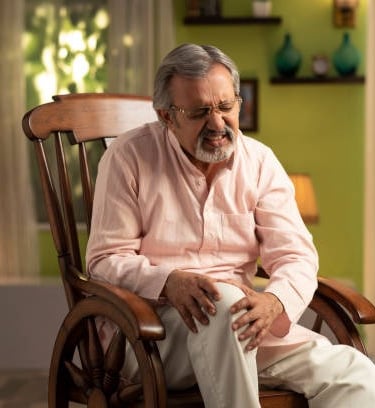
Your knees are one of the most hardworking joints in your body. They help you walk, climb stairs, stand up, sit down, and enjoy your daily activities. But as you age, your knees can start to feel stiff, achy, or weak.
The good news? You don’t have to wait for problems to start. With a few simple habits, you can protect your knees and keep them healthy well into your later years.
🧠 Why Do Knees Wear Out With Age?
Over time, the cartilage in the knees (which acts like a cushion between the bones) can wear down. This, along with reduced muscle strength and changes in joint flexibility, can lead to:
Osteoarthritis (wear-and-tear arthritis)
Pain or swelling after activity
Reduced flexibility and mobility
Increased risk of falls
But aging doesn’t mean you’re guaranteed to have knee problems. Many people stay active and pain-free well into their 70s and beyond — with the right care.
✅ Tips to Keep Your Knees Healthy
Here are simple, doctor-recommended ways to protect your knees as you get older:
1. 🏋️♀️ Strengthen the Muscles Around Your Knees
Your thighs (especially the quadriceps and hamstrings) support your knees. Keeping them strong takes pressure off your joints.
Try:
Leg lifts
Wall sits
Resistance band exercises
(Always do these under proper guidance if you're new to them.)
2. 🚶♂️ Stay Active — But Choose Low-Impact
Staying mobile keeps your joints lubricated and prevents stiffness. But pounding your knees with high-impact activity may do more harm than good.
Great options include:
Walking
Swimming
Cycling
Yoga
3. ⚖️ Maintain a Healthy Weight
Every extra kilogram of body weight puts nearly four times that stress on your knees. Losing even a few kilos can significantly reduce knee pain and arthritis risk.
4. 👟 Wear Supportive Footwear
Your shoes affect your posture and the way your joints absorb force. Worn-out or flat shoes can increase knee strain.
Tip: Choose shoes with good arch support and cushioning. Avoid high heels and flip-flops for long periods.
5. 🧊 Don’t Ignore Pain or Swelling
If your knee feels sore after a walk or exercise, that’s your body’s way of asking for attention. Ice, elevation, and rest may help — but persistent discomfort should be checked by a doctor.
6. 🧘♂️ Stretch and Stay Flexible
Tight muscles can pull on your joints and make movement harder. Gentle stretching of the thighs, calves, and hips can go a long way in easing stress on the knees.
7. 🛑 Avoid Sudden Twisting or Jerky Movements
Be mindful when getting up, changing direction, or bending down. As we age, balance and joint control may reduce slightly — increasing the risk of injury from small missteps.
🙋♀️ Final Words
Taking care of your knees doesn't mean slowing down — it means moving smarter. With just a bit of regular attention, you can stay active, independent, and pain-free for years to come.
If your knees are already giving you trouble, or if you want a personalized prevention plan, feel free to consult me — it's never too early (or too late) to protect your knees.
Feel like your knees are not as strong as before?
Come see me and lets make sure your knees are strong again to help you do everything you want to.
Ortho Med Centre
Timings: Monday- Saturday
5:30pm - 7:30pm
Address: 776, 36th Cross Rd, Near BWSSB Water Tank,
4th T Block East, JAYANAGAR, Bengaluru - 560041.
Landmarks: Near Taazi Thindi, SSMRV College
For Appointments Call:
080-4130 1828
080-4130 1838
Reception will be open to take appointments on Monday-Saturday from 9am- 8pm.